Life of the Steppe Corsac: From Borrowed Burrows to Radar Ears
Experts studying wildlife near Astana have shared little-known facts about the habits of the corsac fox, NewsAsia.kz reports, citing Zakon.kz.

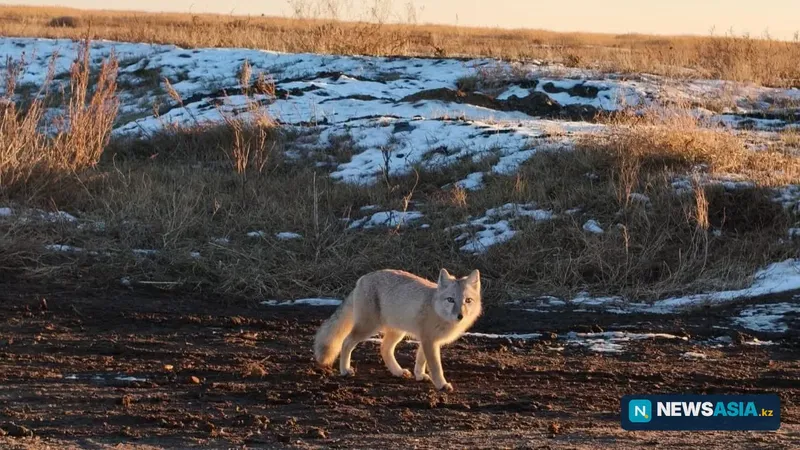
Experts studying wildlife near Astana have shared little-known facts about the habits of the corsac fox, NewsAsia.kz reports, citing Zakon.kz.
How the steppe predator lives
Park staff detailed the animal's habits. According to their observations, this cautious and highly agile beast is perfectly adapted to open steppe conditions, despite its cute appearance.
“In nature, every living creature has its place. The corsac is an integral part of the steppe ecosystem,” the authors of the publication noted.
Key characteristics of the corsac
Experts listed the key natural traits of the corsac:
- Large ears serve as natural radar capable of picking up even the faintest sounds;
- The animal can dig its own shelters, but is also able to settle in old burrows left by other animals;
- It prefers a nocturnal and crepuscular lifestyle;
- It functions as a sanitizer of the steppe by preying on mice and small rodents;
- The predator's main defense is caution: it immediately hides when threatened.
The corsac is also known for its ability to climb sloping trees and shrubs. Due to difficulty moving through deep snow during harsh winters, it migrates to southern regions.
Steppe life demonstrates how diverse wildlife can be. Earlier, the administration of Katon-Karagay National Park shared information about the grey partridges of the Southern Altai.


Comments
No comments yet. Be the first.