Revival of crafts in Kurchum District: From Moynak rock petroglyphs to merino wool rugs
Rural craftswomen in the Kurchum District of East Kazakhstan Region plan to launch a large artisan workshop to produce ethnic-style goods and train youth, NewsAsia.kz reports, citing 24.kz TV channel.

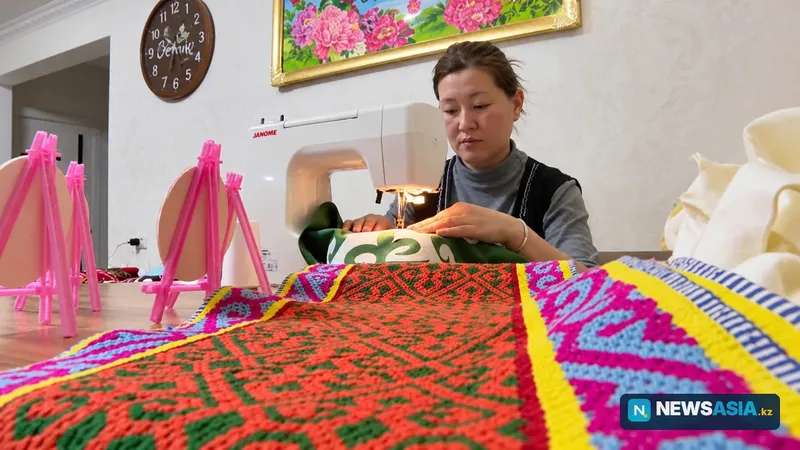
In the Kurchum District of East Kazakhstan Region, rural craftswomen intend to open a large artisan workshop where they plan to produce ethnic clothing, rugs, and teach traditional techniques to youth, NewsAsia.kz reports, citing 24.kz. Read our story on how craftswomen are developing folk crafts far from major cities.
How the craft works
While local artisans do not yet have permanent retail galleries or factory facilities, their works can be seen at district and regional fairs. To preserve ancient rug weaving and felt making, the craftswomen hope to move from home workshops into a shared production space. In the future workshop, the village women want to set up spacious classrooms to teach the younger generation the craft, ensuring it is not lost amid digitalization.
Shoppers confirm the growing interest in traditions. Ust-Kamenogorsk resident Lyazzat Kanatkyzy shared her thoughts:
“It is gratifying that ethnic jewelry, chapans, and national clothing are back in fashion. I wish the artisans had more venues to showcase their work. Ordering by phone is one thing, but seeing it in person, touching the fabric, and trying on an item is completely different,” she said.
Zhangul Amzekyzy and felt secrets
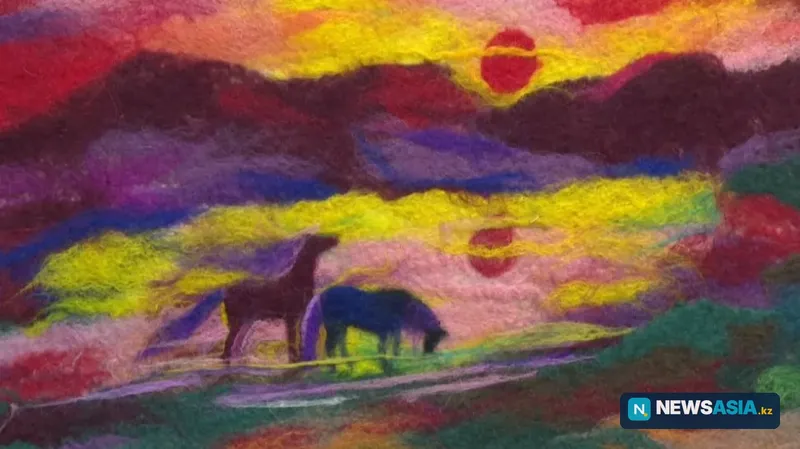
Schoolteacher Zhangul Amzekyzy sewed her first piece when she was just five years old. Today, the craftswoman sits down to work immediately after classes end, noting that working with fabric and wool helps her relieve fatigue. She creates home decor collections, weaves traditional alasha and terme rugs, and makes syrmaks, souvenirs, and soft toys. Together with her husband, Zhangul took out a subsidized loan at 2.5% per annum and purchased the necessary machinery. The family selects raw materials meticulously: the felt is made strictly from merino sheep wool, which retains heat well and repels venomous spiders.
“Our felt ‘syrmak’ rugs, soft pillows, balls, and toys are in high demand. But many do not know how they are made. Today it is easier to buy a ready-made item; few people want to make things themselves. Therefore, I want to awaken people's interest in the craft and pass on my skills to others,” Zhangul Amzekyzy said.
Elmira Tomaganova and ancient symbols
Designer Elmira Tomaganova formerly worked as a historian but left her previous job to design signature clothing with national motifs. Her accumulated knowledge helps her create original dresses, quilted chapans, and jackets. Rock carvings have become the key visual focus of her collections.
“I know petroglyphs exist all over Kazakhstan, for instance, in the Tamgaly Gorge in Almaty Region. But we have our own petroglyphs as well. I want to put images of our Kurchum petroglyphs from Moynak onto clothing,” the designer said.
The initiative of the Kurchum craftswomen highlights how diverse approaches to preserving ancestral heritage can be. For some artisans, applied arts are an opportunity to create home textiles and share skills with young fellow villagers, while others find their path to promoting national identity through historic petroglyphs on contemporary fashion.

Comments
No comments yet. Be the first.