Aisha Nursapa's Art: From Grandmother's Trunks to Shanghai Fashion Week
In Astana, artist Aisha Nursapa creates tumarsha interior amulets shaped like three-dimensional yurts, NewsAsia.kz reports, citing Zakon.kz.
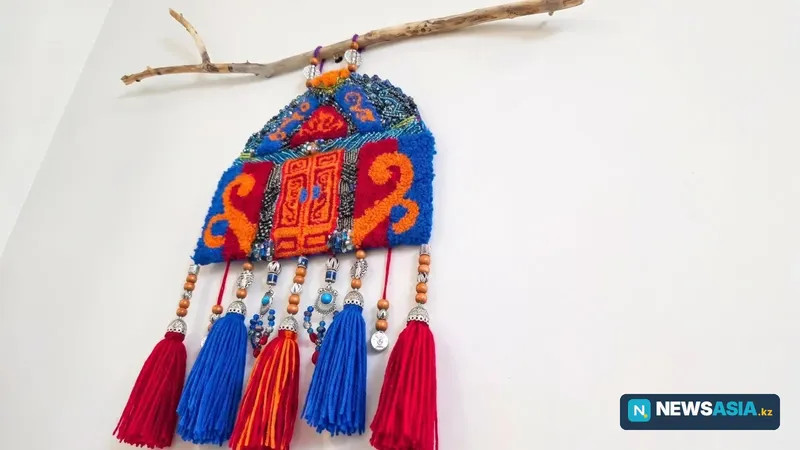
In Astana, designer and textile artist Aisha Nursapa presented unusual interior tumarsha amulets made in the shape of a three-dimensional Kazakh yurt. What makes the artist's take on the ancient tradition unique, NewsAsia.kz reports, citing Zakon.kz.
How It Is Made
Creating each wall art piece requires meticulous handwork. The 36-year-old artisan crafts the base of the composition from yarn using punch needle embroidery and tufting techniques, after which the canvas is embroidered by hand. The wall panel is decorated with natural semi-precious stones—turquoise, amethyst, carnelian, and rock crystal—as well as wooden branches, metal pendants, and lush shashak tassels. The abundance of sparkling elements reflects traditional beliefs that bright ornaments ward off the evil eye.
A sykyrlauyk, a traditional double door guarding the threshold of the home, is placed in the central part of the composition. The sides are embroidered with koshkar muiyz ornaments representing vitality and wishes for prosperity, while a classic triangular tumarsha is set in the dome. A special feature of the design is the shanyrak: photoluminescent beads that glow in the dark are woven into it. The finished wall hanging is packed in a special protective case with a custom seal that the owner removes personally.
The Master's Journey: Aisha Nursapa
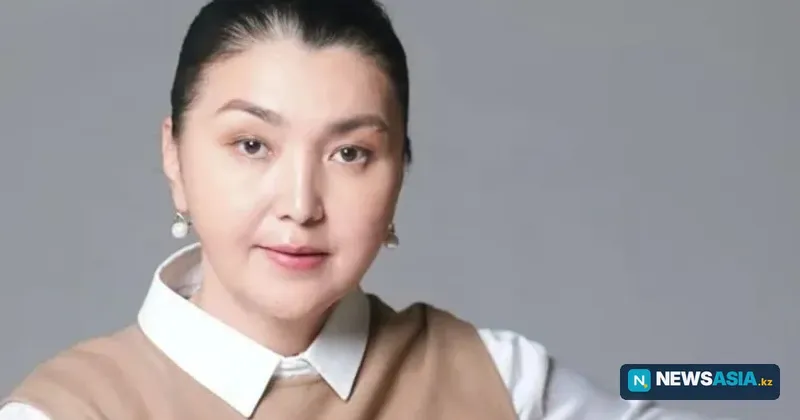
By training, Aisha Nursapa is an interior designer. In search of her calling, she studied in China, lived in the United Kingdom, and worked in Africa, wrote poetry, painted, and designed clothing, showcasing her works at Shanghai Fashion Week in 2017. After returning to her homeland, the artist opened a creative studio for adults and children, where she independently mastered foreign rug-making and embroidery techniques, drawing on her knowledge of Chinese and English.
Her interest in creating talismans emerged after the birth of her child, reawakening memories of family traditions—her grandmother's trunks filled with cherished keepsakes and the black triangular amulets with prayers that her mother used to give her in childhood.
"Everything changed when I became a mother, but I didn't realize it right away, only with time. At first, it was just on intuition. I wanted to make something in an ethnic style, to create a beautiful interior panel. Back then, I didn't attach any particular sacred meaning to it—I just felt drawn to a new creative format," Aisha Nursapa said.
According to the artist, her father insisted that every truly valuable item should have its own legend. Therefore, the artisan begins creating yurts only in a calm emotional state and with pure intentions—niyet.
"My artistic concept was to ensure that even when the lights go out in the house, the shanyrak never goes dark, so that even on the darkest night, every family continues to have their hearth and celestial dome shining," the artisan explained.
Today, the Astana artist's creations find owners in Astana, Almaty, Kyzylorda, and abroad. They are presented as housewarming gifts and passed down to children as parental blessings. Aisha Nursapa's work shows how profound a return to roots can be: for some, it serves as a reminder of hearth protection, while others see national symbols as modern art for home comfort.

Comments
No comments yet. Be the first.