How rules and geography of resettlement program to northern Kazakhstan will change
Kenzhebay Birimzhanov, head of the resettlement department at the North Kazakhstan Region Labor Mobility Center, explained the new procedure for providing state support to participants in the voluntary resettlement program, NewsAsia.kz reports, citing 24.kz.
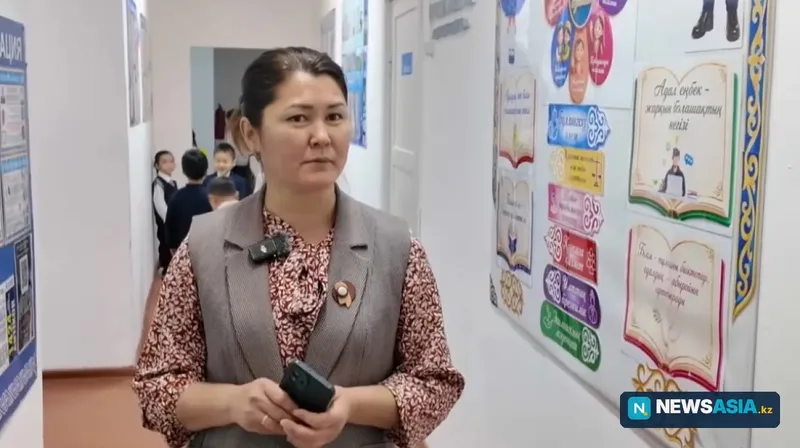
Kenzhebay Birimzhanov, head of the resettlement department at the North Kazakhstan Region Labor Mobility Center, explained the new procedure for providing state support to participants in the voluntary resettlement program, NewsAsia.kz reports, citing 24.kz.
Kazakhstan is revising its approach to the state citizen resettlement program. A number of innovations have already taken legal effect, while another set of requirements will enter into force on January 1, 2027. The key goal of the updated mechanism is to retain specialists in rural areas and prevent the misuse of budget funds.
Under the established requirements, the process of providing state assistance is divided into several stages and depends directly on whether a citizen secures employment at the new location.
«Arriving resettlers must first of all find a job. After 3 months, they receive relocation subsidies, 70 MCIs for each family member. After six months, rental housing is provided, and only after one year is an economic mobility certificate issued. There are cases when people leave to go back. We work individually with each case. If it happens without a valid reason, the case is taken to court,» Kenzhebay Birimzhanov emphasized.
According to the speaker, the program's geography has also been adjusted. Moving to the city of Petropavlovsk under the project is no longer possible: state support is now directed exclusively to rural settlements experiencing labor shortages. In addition, the Kyzylorda and Zhetysu regions were excluded from the list of labor-surplus regions.
The village of Sulyshok in the North Kazakhstan Region demonstrates the practical results of the program. Over recent years, more than 20 families have moved there, bringing the total number of residents to over 200. According to Kairat Zhanibekov, head of Agro-Complex-Sulyshok LLP, the influx of people spurred infrastructure development:
«When they started arriving, we began working on community improvements, social issues, and renovated the school a bit.»
Local school principal Asem Akylbekova noted that in 2018 only seven children remained at the educational institution, but the arrival of families from southern regions helped keep the school open. For example, resettler Gulnur Akhayeva is raising 17 children, ten of whom are adopted.
Earlier, authorized state bodies decided to focus labor mobility incentives primarily on the development of the country's rural territories.

Comments
No comments yet. Be the first.