How Constitutional Guarantees of Freedom of Conscience Ensure Interfaith Harmony
The practical application of constitutional guarantees of freedom of conscience and the maintenance of stability have been discussed in the Almaty region, NewsAsia.kz reports, citing Alataunews.kz.

The practical application of constitutional guarantees of freedom of conscience and the maintenance of stability have been discussed in the Almaty region, NewsAsia.kz reports, citing Alataunews.kz.
During a round-table meeting held on October 15, members of the Club of Leaders of Religious Associations of the Almaty region, experts, religious scholars, and representatives of various confessions reviewed issues related to strengthening interfaith dialogue, mutual respect, and preventing religious extremism.
For this region, these issues are of practical importance given its confessional diversity. According to the reported data, 429 religious associations representing 11 confessions operate within the region. In addition, 427 places of worship are registered in the area, including mosques, Catholic and Orthodox churches, as well as Protestant communities and other associations.
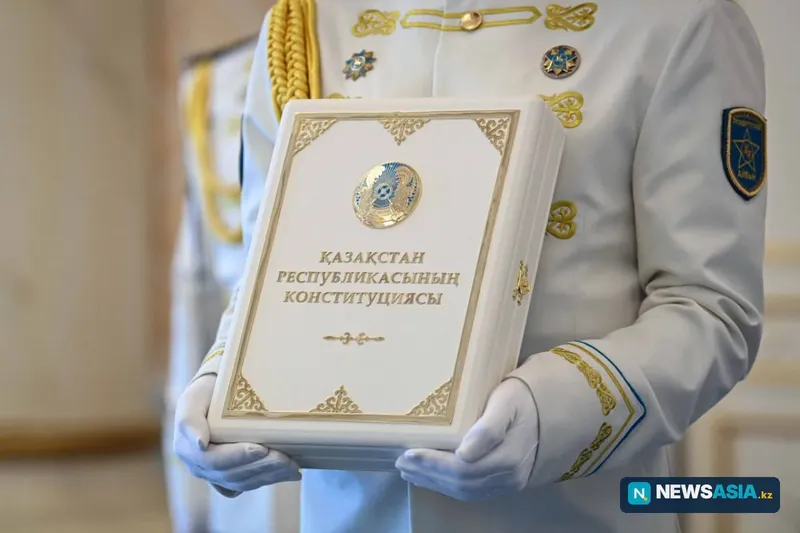
During the discussion, special attention was paid to the legal framework governing this sphere. Article 25 of the Constitution of the Republic of Kazakhstan enshrines the right of every citizen to freedom of conscience. At the same time, the exercise of this right must not restrict universal and civil rights or relieve citizens of their duties to the state. The provisions of the law are designed to ensure that differences in beliefs do not become a pretext for hostility or the infringement of human rights.
The participants of the meeting also underscored the importance of the principle of secularism enshrined in Article 7 of the country's Basic Law. This norm establishes the separation of religion from the state and regulates the activities of religious organizations exclusively within the legal framework, ensuring the equality of all citizens before the law regardless of their religious beliefs.

Comments
No comments yet. Be the first.