Fines, arrest, and up to three years in prison: Lawyer explains how to recover debts without an IOU
Legal consultant Elmira Devrisheva explained ways to recover money without a written receipt and warned about consequences for defaulters, NewsAsia.kz reports, citing Tengrinews.kz.

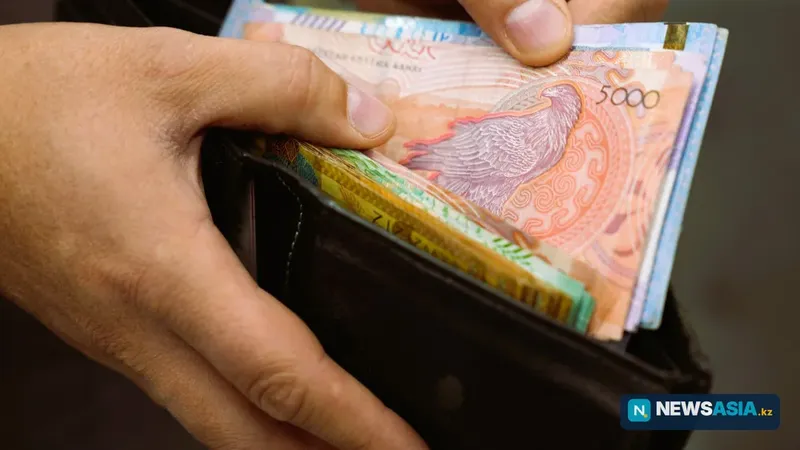
Legal consultant Elmira Devrisheva explained ways to recover money without a written receipt and warned about consequences for defaulters, NewsAsia.kz reports, citing Tengrinews.kz.
According to the expert, the lack of an IOU does not prevent a lender from recovering funds, but proving that the transaction was a loan rather than a gift is crucial. Bank receipts and account statements indicating the amount, date, and recipient details can serve as evidence. Electronic correspondence is equally important, including messages where the borrower requests a loan, acknowledges receipt of the money, promises repayment timelines, or makes excuses for delays. Partial repayment transfers can also confirm the existence of a debt.
The specialist noted that transactions exceeding 100 monthly calculation indices (432,500 tenge in 2026) legally require written form. Without it, confirming the transaction in court based solely on witness testimony is not permitted, but relying on other documentary and digital evidence is allowed.
Before filing a lawsuit, a written demand letter must be sent to the debtor stating the transferred amount, circumstances, and repayment deadline. It is best to send the demand by registered mail or via messaging services that record delivery. If a specific repayment date was not initially agreed upon, the Civil Code obligates the borrower to pay the amount within 30 days of receiving the demand. The general statute of limitations for such claims is three years.
If the court rules in favor of the plaintiff and the borrower continues to evade payment, they face strict sanctions. In the first stage, failure to comply with a court order exposes an individual to a fine of five MCIs (21,625 tenge in 2026), up to 20 hours of community service, or up to five days of administrative arrest. If non-payment persists for more than six months or if enforcement is obstructed, criminal liability applies: up to 800 hours of community service, or restriction or deprivation of liberty for up to three years. Imposition of punishment does not cancel the debt itself.
The lawyer recommends always drafting an agreement or receipt even with close associates, recording personal details of both parties, the amount, deadlines, and signatures, and always specifying "loan" in the payment description when transferring money via mobile banking apps.

Comments
No comments yet. Be the first.